
Patreon Alternatives for African Creators
Compare Patreon, Ko-fi, Buy Me a Coffee, hosted communities, and owned Paystack membership sites for African creator payment decisions and control.


Card reader, receipt roll, calculator, security token and reconciliation papers on a worn shop counter in.
Quick answer
The strongest Patreon alternatives for African creators fall into three groups: patronage platforms such as Ko-fi and Buy Me a Coffee, hosted membership communities such as Circle or Mighty Networks, and an owned membership website connected to a suitable payment gateway. Choose by testing supporter checkout, creator payouts, recurring billing, currency handling, content format, data access, and policy fit in every country you serve.
Why African creators look beyond Patreon
African creators usually need an alternative when Patreon creates friction at the payment, payout, product, or ownership layer. The decisive question is not whether Patreon works in theory, but whether money can move reliably between the creator and the specific supporters the business serves.
Patreon is designed around recurring patronage: supporters join tiers and receive continuing access or benefits. That suits podcasters, illustrators, writers, and video creators with an international audience already comfortable with the service. Trouble begins when a creator needs a locally familiar checkout, a different payout route, direct product sales, stronger community features, or control over member records. A community platform for creators may solve the engagement problem, while a storefront may solve sales without solving recurring access. Those are different jobs, despite being bundled together in many comparison lists.
- Payment fit: Can intended supporters complete checkout using methods and currencies available to them?
- Payout fit: Can the creator receive and withdraw funds through an eligible account in the operating country?
- Offer fit: Is the business selling patronage, downloads, commissions, courses, community access, or a mixture?
- Control fit: Can the creator export useful member data and operate under a distinct brand?
- Policy fit: Are the content category, refund process, and account structure permitted?
Start with the failure, not the brand name. If supporters abandon an unfamiliar checkout, switching to another foreign patronage page may merely repaint the same bottleneck. If payments work but members rarely interact, the problem is community design. If a creator cannot package consultations or downloads, the problem is the offer model. Write down the failed transaction or blocked workflow in plain language, then reject any candidate that cannot repair it. The implication is practical: “alternative to Patreon” is a requirements question disguised as a shopping query.
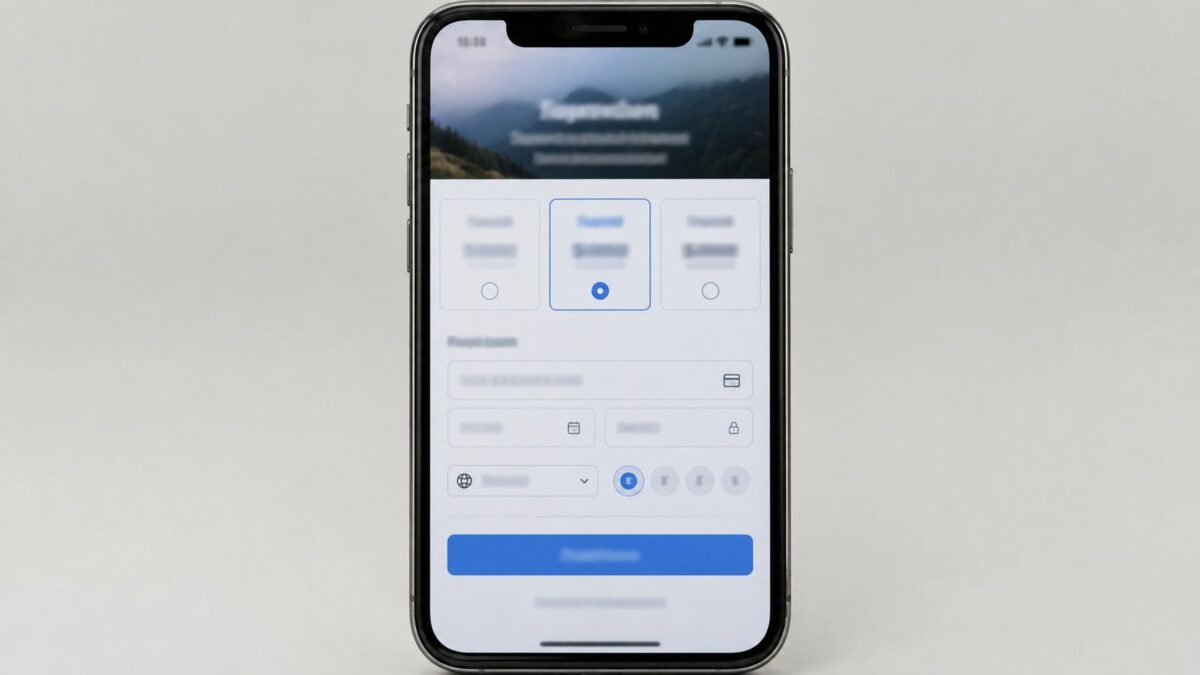
Which Patreon alternatives fit each creator model?
Patreon, Ko-fi, Buy Me a Coffee, hosted community services, and owned websites solve overlapping but unequal problems. Patronage platforms launch quickly; sales-led tools suit mixed purchases; hosted communities emphasize interaction; an owned site offers the most control but also creates operational responsibility.
| Creator type | Best starting option | Payment fit to verify | Main limitation |
|---|---|---|---|
| Podcaster or artist funded by loyal international fans | Patreon | Supporter checkout and creator payout eligibility | Limited brand and business-model control |
| Illustrator selling tips, commissions, and downloads | Ko-fi | Connected Stripe or PayPal account availability | Payment access still depends on connected providers |
| Creator prioritizing lightweight supporter contributions | Buy Me a Coffee | Checkout methods and payout route in the operating country | Less suitable for a deeply structured community |
| Coach or expert selling member interaction | Circle or Mighty Networks | Gateway, currency, billing, and payout support | Hosted-platform rules and recurring software cost |
| Creator business needing local payment design and ownership | Owned membership website | Chosen gateway coverage and recurring-payment behavior | Setup, maintenance, compliance, and support remain yours |
Ko-fi is notably broader than pure monthly patronage: it supports tips, memberships, shop sales, and commissions, with payments routed through a connected Stripe or PayPal account. That flexibility helps creators whose supporters are not ready for a continuing commitment. Buy Me a Coffee occupies a similarly lightweight support category, but creators must verify its current country and payout terms directly. Circle and Mighty Networks are better considered community software than donation pages. An owned site is not automatically superior; it becomes attractive when checkout, branding, data, or workflow control has measurable business value.

How should creators test payment fit across Africa?
Test payment fit country by country and transaction by transaction. “Available in Africa” is too vague to guide a launch: a service may accept supporters in one market while offering a different payout path, currency experience, or recurring-payment capability to creators elsewhere.
Nigeria, Ghana, Kenya, and South Africa should not be treated as one payment environment. For every target market, confirm the platform's current account eligibility, accepted payment methods, settlement currency, withdrawal requirements, recurring billing behavior, refund process, and restricted-business policy. If you plan to use a payment gateway Africa comparison, distinguish card acceptance from creator settlement; they are separate checkpoints. Verify terms with the platform and gateway before launch because coverage and rules can change.
- Create a test matrix listing the creator's operating country and the supporter countries that matter.
- Open an eligible business or creator account and complete all required verification before promoting subscriptions.
- Run a real low-value purchase using each important payment route, then inspect access delivery and settlement.
- Repeat the journey for renewal, failed payment, cancellation, refund, and expired access.
- Record who handles payment support, member support, disputes, taxes, and account reviews.
Paystack subscriptions can support an owned recurring-access workflow when the gateway, merchant account, payment method, and intended billing behavior are eligible for the particular business. That statement is deliberately conditional. A gateway integration does not itself create membership tiers, content permissions, email recovery, or member service. The useful implication is to evaluate payments as one subsystem inside the membership operation, rather than expecting the checkout provider to become the entire creator platform.

When does an owned membership website make sense?
An owned site makes sense when the creator needs a branded destination, controlled member access, adaptable monetization, and direct operational data—and has the capacity to maintain the system. Ownership improves strategic freedom; it does not abolish payment rules or administrative work.
A membership website separates the business from a single marketplace page. The creator can define the domain, onboarding, access levels, content structure, member profiles, and community experience, then connect an appropriate gateway. This is useful for expert communities, fan clubs, niche learning groups, and multi-creator businesses. It also moves responsibility inward: security, moderation, backups, support, gateway configuration, privacy, and policy enforcement need named owners. If nobody owns those tasks, “full control” becomes an unusually expensive synonym for neglected software.
- Identity layer: registration, authentication, profiles, and account recovery
- Commerce layer: plans, payment status, renewals, cancellations, and refunds
- Access layer: rules that grant or remove content and community permissions
- Engagement layer: posts, discussions, notifications, and moderation
- Operations layer: administration, support records, exports, backups, and reporting
Design these layers before commissioning screens. The payment event must update access reliably, and staff must be able to correct exceptions without editing databases. Website analytics for creators should connect acquisition, checkout, activation, retention, and cancellation while respecting consent and privacy obligations. The next action is to specify the smallest complete member journey—from landing page through payment to useful participation—then postpone features that do not help that journey.
When is Patreon better left in place?
Do not replace Patreon merely because another platform looks more flexible. Keep it when supporters already pay successfully, the patronage model fits the offer, operations are manageable, and migration risk exceeds the concrete benefit expected from switching.
A functioning membership base is an asset, not clutter to be tidied away during a rebrand. Migration introduces new checkout decisions, failed conversions, supporter questions, duplicated records, and possible loss of continuity. Patreon may remain the sensible channel for an established international audience while another tool handles commissions, downloads, or a local community. Running parallel channels is inelegant, but elegance does not pay invoices. Consolidate only when the operational savings or member experience justify asking supporters to move.
- Keep Patreon if existing patrons renew reliably and need no additional experience.
- Add a complementary sales tool if the unmet need is tips, commissions, or standalone products.
- Pilot a hosted community if interaction—not payment ownership—is the central gap.
- Build an owned platform when brand, access logic, data, and payment design are strategic requirements.
- Set migration criteria in advance, including successful checkout tests, clean access transfer, support readiness, and a rollback path.
Before switching, export every record the current service permits, define how consent and member information will be handled, and communicate what changes for supporters. Avoid promising that saved payment details can move between unrelated providers. Launch the new route to a small invited group, resolve access and support failures, and only then widen the invitation. The decision implication is simple: migration should be an operating project with acceptance criteria, not a dramatic link change announced on a Friday evening.

Turn the alternative into an owned membership business
If your comparison points toward a branded paid community rather than another profile on a marketplace, Scrile Connect – Community Platform supports memberships, exclusive content, paid access, engagement, profiles, administration, and monetization within a branded platform.
The practical next step is to define the member journey and payment route before discussing secondary features. See how an owned site can connect membership access with Paystack payments, including the operational questions that sit beyond checkout.
Frequently asked questions
What is the best Patreon alternative for African creators?
There is no universal winner. Ko-fi suits mixed tips, memberships, sales, and commissions; hosted communities suit interaction-led businesses; an owned website suits creators who need more control over branding, access, data, and payment design.
Is Ko-fi a good Patreon alternative in Africa?
Ko-fi can be useful because it supports tips, memberships, shop sales, and commissions. Its payment flow relies on a connected Stripe or PayPal account, so creators must verify provider availability and withdrawal eligibility in their country.
Is Buy Me a Coffee available to African creators?
Availability and payout eligibility can vary by country and change over time. Check the service's current supported-country, verification, payment, and payout documentation for the creator's operating country before promoting a page.
Can I build a Patreon alternative with Paystack?
Paystack can provide the payment component where the merchant and intended transaction flow are eligible. The website must still manage plans, member accounts, gated access, renewals, cancellations, communication, and administration.
Which Patreon alternative is best for Nigerian creators?
The best fit depends on verified Nigerian account eligibility, settlement, supporter checkout, recurring billing, and the offer being sold. An owned website may be preferable when local payment design and brand control are strategic.
Should I use Patreon and another platform together?
Yes, if each has a clear job. Patreon might retain existing patrons while a second tool handles commissions, products, local payments, or community interaction. Account for the extra publishing, support, and reconciliation work.
Do I own my audience on a hosted creator platform?
Not completely. Your practical control depends on the platform's export tools, communication permissions, account rules, and access to member data. Review these before treating any hosted audience as portable.
When should I move from Patreon to my own website?
Move when an owned site solves a demonstrated problem in payments, branding, access, data, or product design, and you can operate security, moderation, support, compliance, and maintenance responsibly.
