
Professional learning community examples that keep members engaged
Compare practical professional learning community models by goals, roles, cadence, access, and platform needs to build lasting member value.


Educators exchanging lesson ideas around a real classroom table after a workshop
Quick answer
A professional learning community is a group whose members improve their professional practice together through recurring discussion, experimentation, feedback, and shared resources. The strongest examples have a narrow purpose, defined member roles, a dependable activity rhythm, and an online home that makes participation easier than disengagement.
What is a professional learning community?
A professional learning community, or PLC, is a continuing group organized around improving how members work. Unlike a course, it does not end when content has been delivered. Unlike a networking group, it expects members to examine practice, contribute evidence, and help one another produce better outcomes.
Professional learning communities began as a prominent model in education, where teachers collaborate on instruction and student needs. The operating principle travels well: clinicians can review difficult cases, developers can examine implementation decisions, and independent consultants can critique client work. In every version, experience becomes shared material rather than knowledge trapped inside individual organizations.
- A specific learning objective, such as improving assessment design or adopting a new technical practice.
- A repeatable cycle of presenting problems, testing responses, and reporting what happened.
- Distinct roles for facilitators, contributors, subject experts, and members seeking feedback.
- A searchable record of discussions and resources so useful knowledge survives the live conversation.
The practical test is simple: can members name what they are trying to improve and show how community participation changes their next decision? If not, the PLC is probably a content feed wearing a serious expression.

Professional learning community examples by operating model
The most useful professional learning community examples are not defined by industry alone. They are defined by the learning job: improving a shared practice, solving cases, implementing change, or developing expertise around a leader. Choose the model whose recurring activity produces the outcome members actually value.
| Model | Recurring activity | Essential roles | Best access model |
|---|---|---|---|
| Practice-improvement team | Review work, test an intervention, compare results | Facilitator, practitioners, note keeper | Usually employer-funded or free |
| Case consultation circle | Present a difficult case and receive structured peer input | Case owner, moderator, experienced peers | Free cohort or paid membership |
| Implementation cohort | Apply a method through milestones and office hours | Instructor, cohort lead, accountability partners | Often paid or sponsored |
| Expert-led learning network | Discuss specialist material and turn it into practice | Expert host, curator, member contributors | Free preview with paid depth |
These types of professional learning communities can coexist, but blending them without priorities creates confusing expectations. A case circle needs psychological safety and limited membership; an expert network needs reliable publishing and live access. An implementation cohort needs milestones rather than an endless discussion stream. Select one primary behavior, then make content, events, permissions, and notifications support it.
Access should follow the source of value. Keep participation free when an employer, institution, or sponsor funds the outcome. Charge when members receive continuing specialist access, structured facilitation, exclusive resources, or a valuable peer group. A private community platform is especially relevant when candid work, member identity, or restricted materials should not sit in public channels.
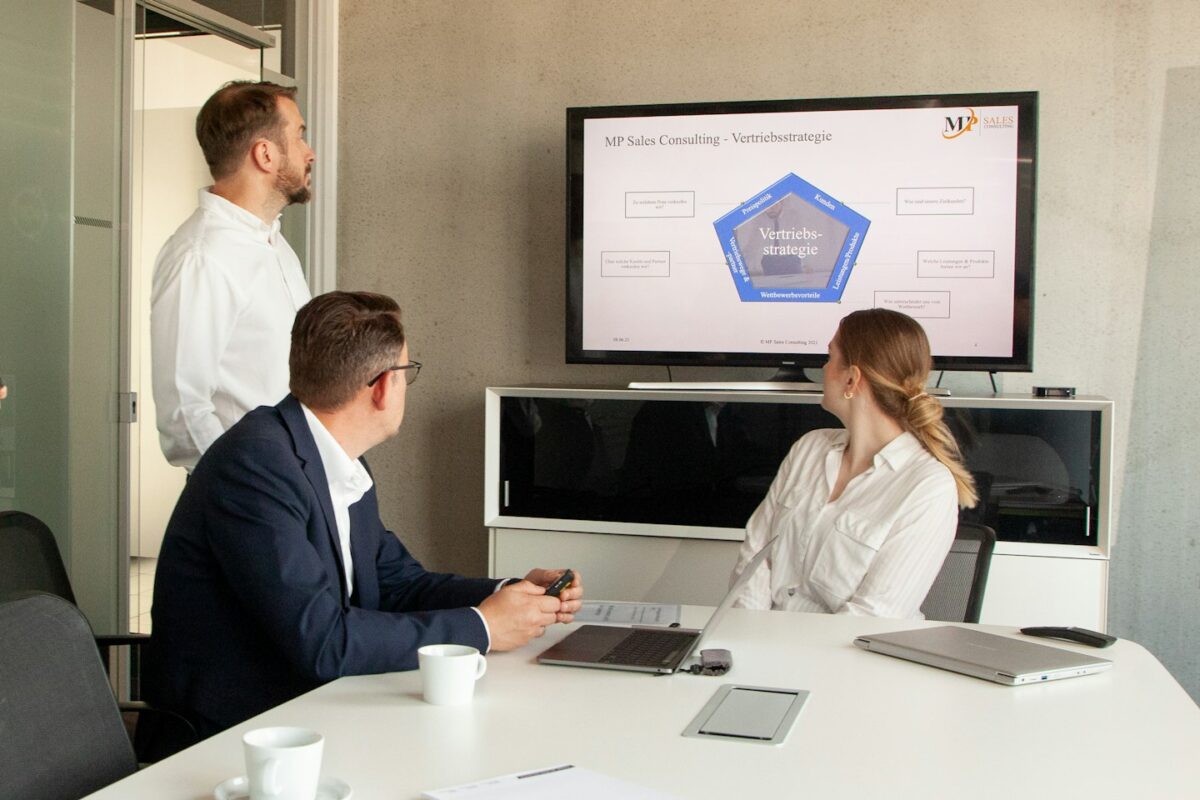
How do you turn a PLC model into regular engagement?
Build engagement around a closed learning cycle: identify a real problem, contribute relevant experience, test a response, and return with evidence. Events create deadlines, while asynchronous spaces preserve questions, resources, and follow-up. Neither format is sufficient alone when members work on different schedules.
Start with the smallest cadence members can sustain. A practical sequence is a focused prompt, a live clinic, a short field test, and a reflection thread. Assign an owner to each stage and state what members should bring. Online community management software should support this rhythm through member profiles, controlled spaces, content organization, event communication, and moderation—not force the operator to reconstruct the learning process from unrelated tools.
Worked example: assume a PLC has sixty members and divides them into three cohorts of twenty. Each cohort runs one clinic per cycle, with one facilitator, one case owner, and eighteen peer seats. Across the three clinics, the design creates three case-owner opportunities and fifty-four peer seats. This is capacity planning, not an engagement forecast: attendance and contribution still depend on relevance, facilitation, and member availability.
- Ask members for the problem they need to solve, not merely the topic they like.
- Turn repeated questions into resources, templates, or future clinics.
- Give experienced members bounded roles such as reviewer, host, or cohort guide.
- Review participation by activity type and remove rituals that no longer help decisions.

The worked example also exposes a limitation: a large membership number says little about usable participation capacity. If every clinic centers on one person, most members remain observers unless the format gives them a defined analytical task. Ask peers to submit one question before the session and one proposed action afterward; then archive the distilled lesson rather than an unedited recording alone. When evaluating platform requirements, map every promised member benefit to a recurring action and an accountable owner.
How do you build a sustainable branded learning community?
A sustainable PLC aligns member value, operator economics, and platform ownership. Members need a recognizable reason to return; operators need manageable programming and administration; the platform must preserve the community’s identity, access rules, content, and revenue model as it grows.
Define the promise before choosing features: who joins, what practice improves, what happens repeatedly, and what evidence shows progress? Then specify the required spaces, profiles, resource library, live sessions, membership levels, paid access, and administrative controls. A white label community platform may provide branding, but branding alone does not create ownership. Examine whether the underlying structure fits the learning model and whether the business can shape access and monetization around its offer.
- Free access: useful for institution-funded groups, open professional exchange, or discovery content.
- Paid membership: suitable when ongoing facilitation, expert access, or exclusive materials form the offer.
- Cohort fee: appropriate for a bounded implementation journey with a defined beginning and conclusion.
- Hybrid access: combines an open entry layer with protected discussions, resources, or live programming.
Do not launch every format at once. Begin with one learning cycle and enough infrastructure to deliver it reliably. Add tiers or new spaces only when they correspond to a distinct member need. This keeps the customer community platform understandable and gives the operator a cleaner view of which activities deserve continued investment.

Build the operating system behind the community
Strong professional learning communities depend on recurring exchange, a dependable platform, and a value proposition members can explain. Scrile Connect is suited to branded membership communities that combine profiles, exclusive content, paid access, engagement tools, admin controls, and monetization.
Use the community engagement planning framework to translate your chosen PLC model into member actions, programming, responsibilities, and a launch-ready product scope.
Frequently asked questions
What is a professional learning community?
A professional learning community is a continuing group in which members improve professional practice through shared problems, peer feedback, experimentation, and reflection.
What are examples of professional learning communities in education?
Examples include grade-level teaching teams, subject-area groups, assessment-design circles, instructional coaching cohorts, and cross-school groups focused on a specific learner need.
What are the main types of professional learning communities?
Useful operating types include practice-improvement teams, case consultation circles, implementation cohorts, and expert-led learning networks.
How is a PLC different from an online course?
A course primarily delivers a curriculum. A PLC continues through member contribution, application, feedback, and accumulated shared knowledge.
Should a professional learning community be free or paid?
It should be free when an institution or sponsor funds the outcome. Paid access fits continuing expert facilitation, exclusive resources, structured implementation, or a carefully curated peer group.
How often should a professional learning community meet?
Choose the lightest dependable cadence that supports the learning cycle. Combine scheduled live sessions with asynchronous preparation and follow-up rather than relying on meetings alone.
What roles does a professional learning community need?
Most PLCs need a facilitator, participating practitioners, contributors or case owners, and someone responsible for preserving useful resources and decisions.
What platform features matter for a professional learning community?
Prioritize controlled access, member profiles, organized content, discussion spaces, event support, moderation, administrative controls, branding, and suitable membership or payment options.
